Doctor
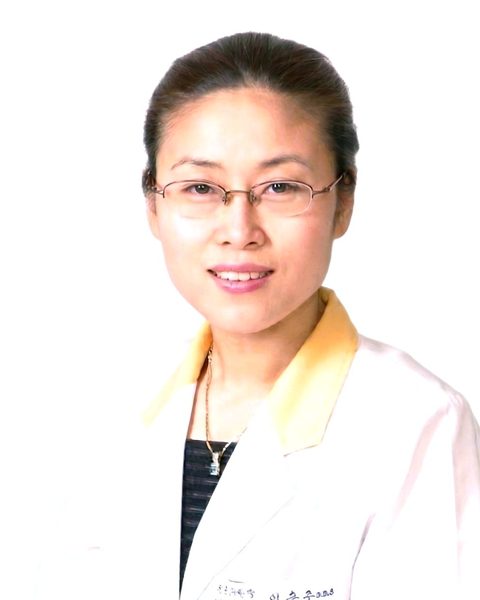
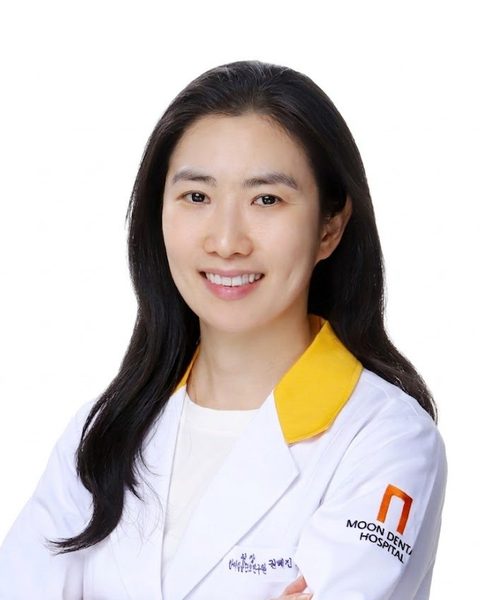
Moon Ji-hyun
Education · Career
- DDS, Seoul National University School of Dentistry
- PhD coursework in Oral & Maxillofacial Surgery, Dankook University
- MS in Materials Science & Engineering, POSTECH
- BS in Materials Science & Engineering, POSTECH
- Clinical training in Orthodontics, UCSF School of Dentistry
- Training in Endodontics, University of Pennsylvania School of Dental Medicine
- Future Women Leaders Award, Korean Women Dentists Association
- Best Paper Award, Korean Institute of Metals and Materials
Certifications · Societies
- Director, Korean Academy of Stomatognathic Function and Occlusion
- Member, Korean Academy of Oral & Maxillofacial Implantology
- Research Fellow, Hanah Implant Prosthetic Institute
- Certified SureSmile® Clear Aligner Provider (USA)